
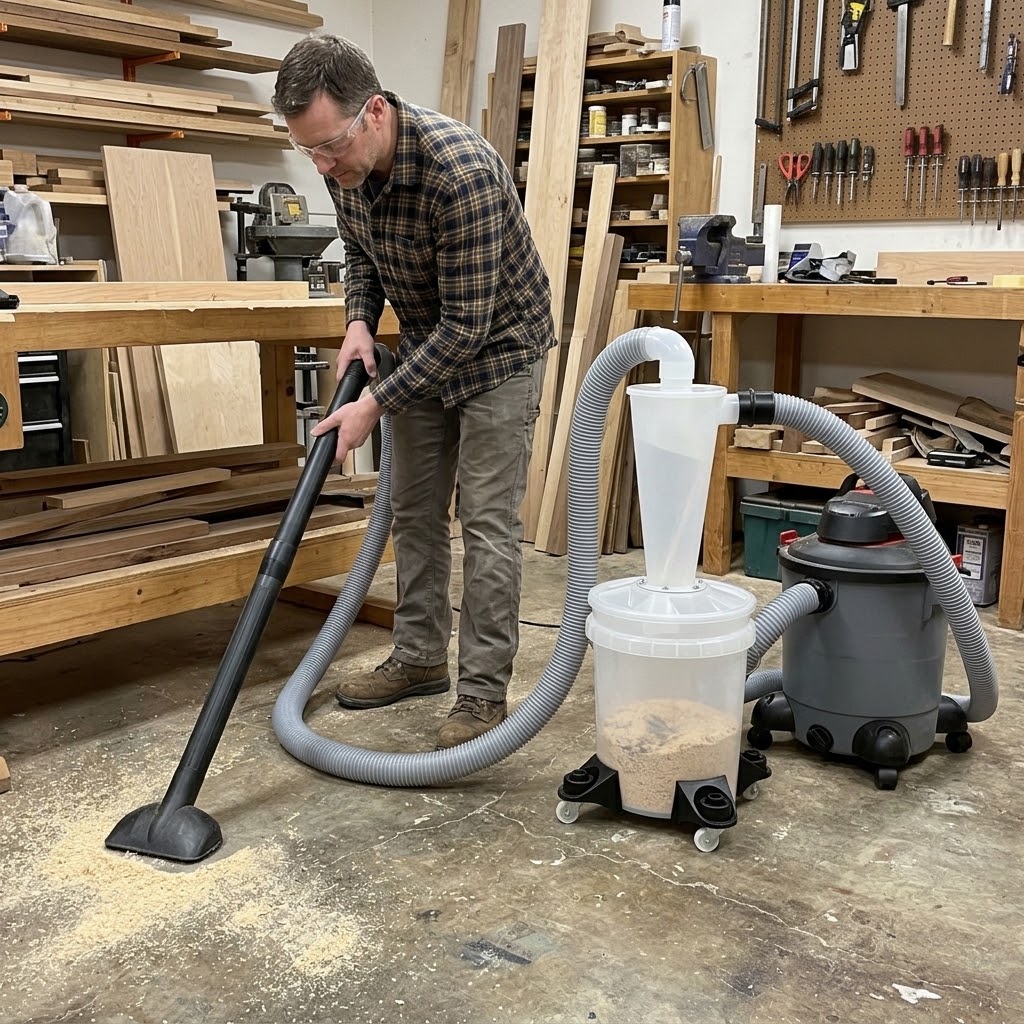
Knowing how to choose the right dust separator can help keep wood chips and larger debris out of your shop vacuum, reduce how quickly its filter clogs, and make workshop cleanup easier. However, not every separator works with every vacuum or dust collector.
The best choice depends on your machine, hose diameter, collection capacity, available space, and the type of dust you produce.
In this guide, you’ll learn how dust separators work, what to check before buying, and how two popular options compare for different workshop needs.
At a Glance: What Should You Look For?
| Your workshop setup | What to consider |
|---|---|
| Small shop vacuum | A compact cyclone separator designed for shop-vac use |
| Frequent woodworking cleanup | A separator with a practical collection capacity |
| Want a simpler setup | A kit with the necessary container and connection components |
| Large stationary dust collector | A cyclone designed for the collector’s airflow and duct size |
| Sanding or fine-dust work | Effective source capture and suitable final filtration |
| Limited workshop space | A low-profile or wall-mounted design, if compatible |
Use this table as a starting point. Always check the manufacturer’s specifications before purchasing.
1. Check Compatibility With Your Vacuum or Dust Collector
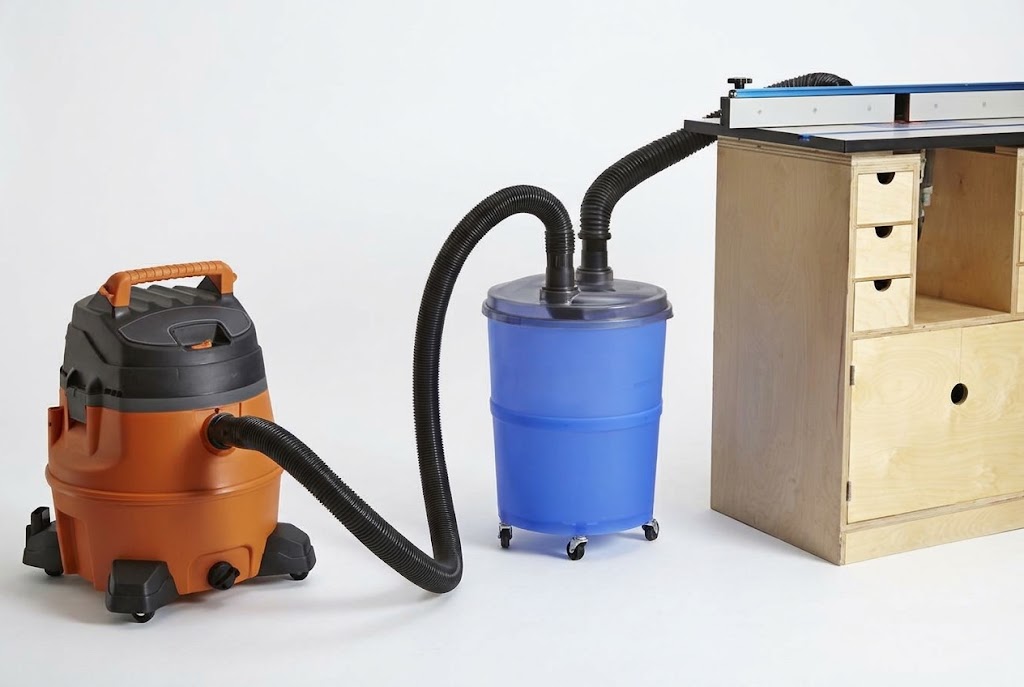
Compatibility should be your first consideration. A separator that fits one machine may not connect properly to another.
Shop vacuums
Many portable shop vacuums use hoses around 1-7/8 to 2-1/2 inches in diameter, although sizes vary by model. A compact separator designed for this type of vacuum is generally the right category to investigate.
Check the diameter of both the vacuum inlet and the hose you plan to connect. Also check whether the separator requires a specific container, lid, adapter, or hose.
Larger dust collectors
Stationary dust collectors often use larger duct connections, such as 4-inch ports. These systems need a separator designed for the machine’s airflow and connection size.
Avoid assuming that a shop-vac cyclone can handle a larger dust collector simply because an adapter makes the parts fit. A restrictive connection can reduce airflow and undermine collection performance.
Practical tip: Measure your connections before ordering. Check the manufacturer’s connection diagram rather than relying only on the advertised hose size.
2. Understand Airflow and Suction
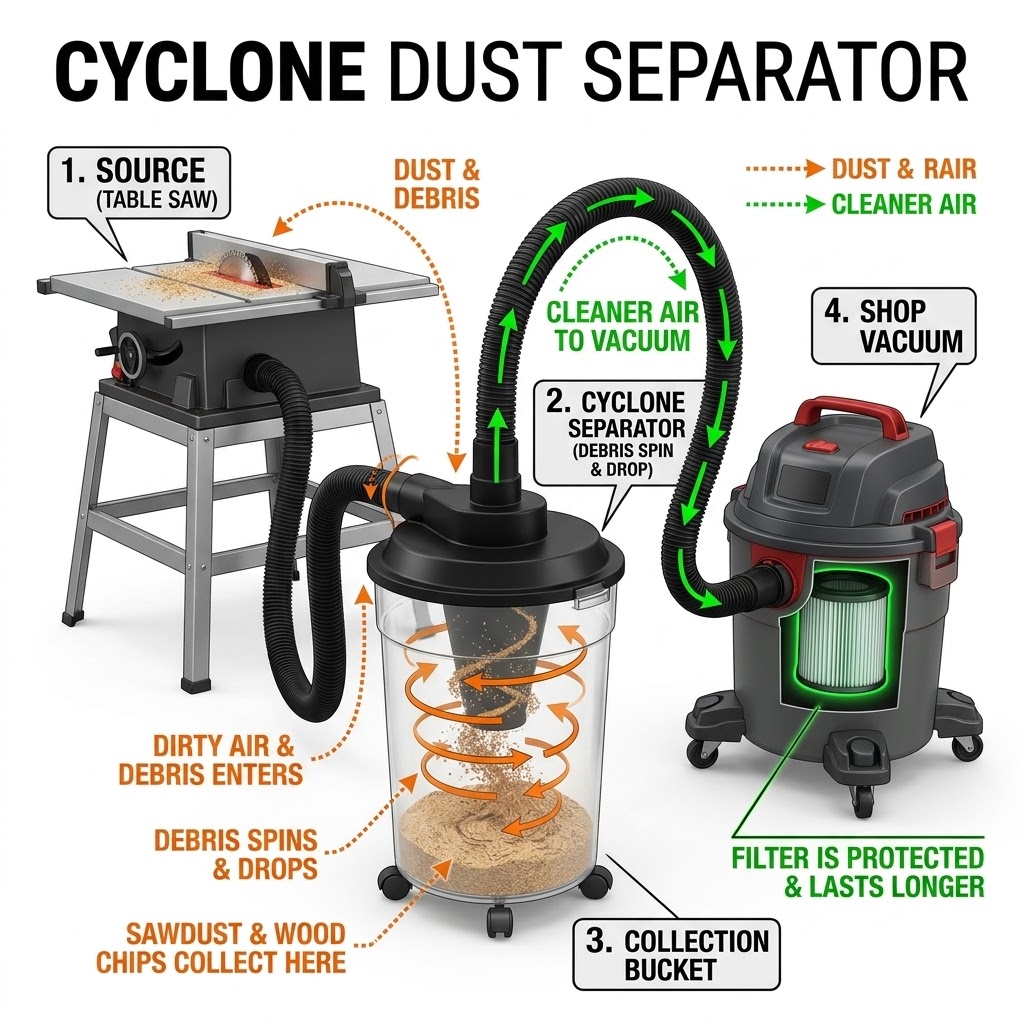
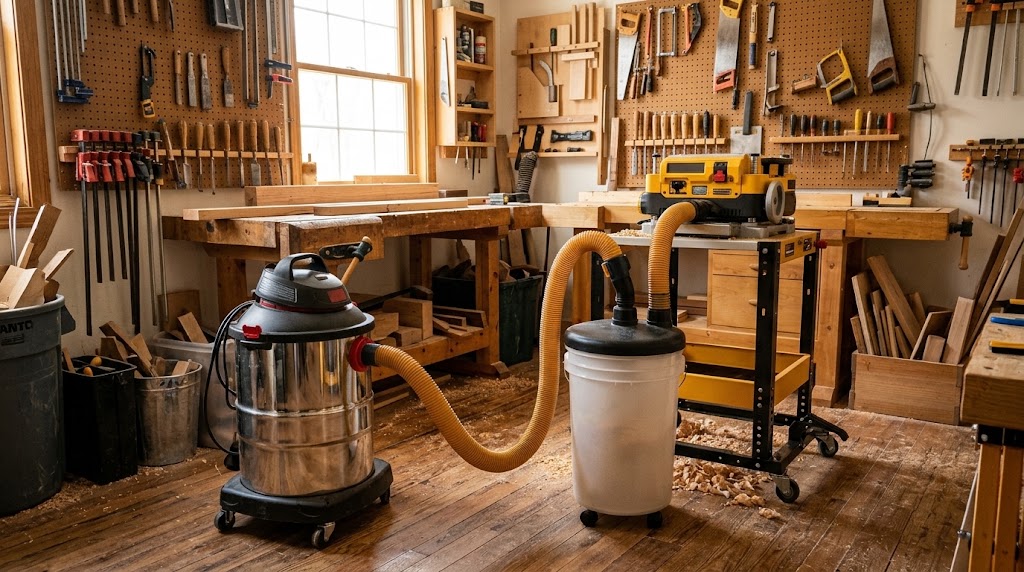
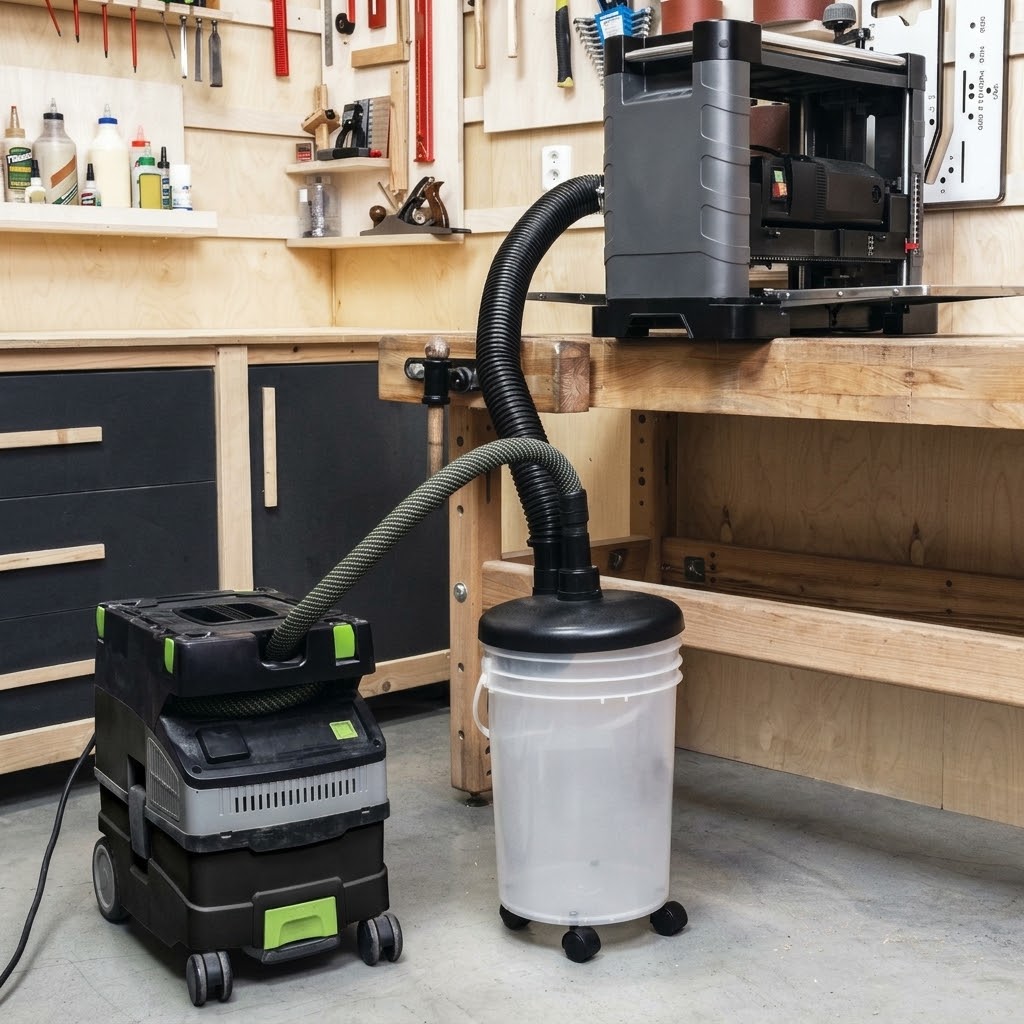
A dust separator works by creating a swirling airflow that encourages heavier particles to fall into a collection container before the air continues to the vacuum or collector.
This can help reduce the amount of debris reaching the main filter. However, the separator and its connections also introduce resistance into the airflow system.
When comparing models, consider:
- Whether the separator is intended for your machine type.
- The diameter and length of the hoses.
- The number of adapters and tight bends required.
- Whether the lid and connections seal properly.
- The manufacturer’s airflow and compatibility guidance, where available.
A larger separator is not automatically better. The right design is one that works with your machine without unnecessary restrictions.
3. Choose a Practical Collection Capacity
Capacity determines how often you need to stop and empty the container.
A small container may be adequate for occasional household cleanup or short woodworking sessions. If you frequently cut, drill, sand, or plane wood, a larger collection container may reduce interruptions.
Consider the space available around your vacuum, too. A large separator takes up more room and may be awkward to move in a small workshop.
Look for a container that is easy to empty, securely sealed, and suitable for the suction created by your equipment. Thin containers may deform under vacuum pressure if they are not designed for the application.
4. Compare the Main Separator Designs
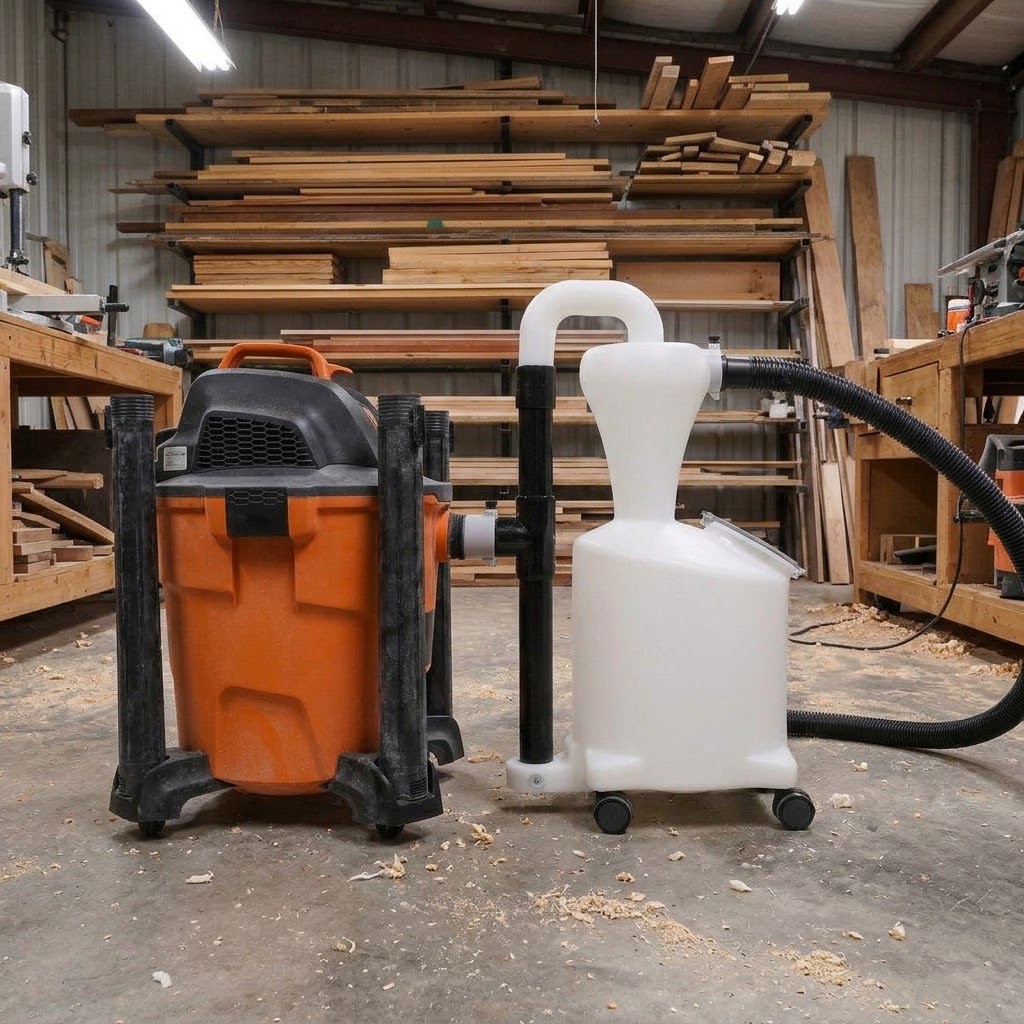
Dust separators generally fall into a few common categories.
Compact cyclone separators
These use a relatively small cyclone body to separate debris before it reaches a shop vacuum. Some models are sold as a standalone cyclone, while others include a container and hoses.
They can be useful for DIY setups, but check what is included before purchasing.
Complete separator kits
A kit may include a cyclone, bucket or container, hoses, adapters, and other fittings. The exact contents vary by model.
A complete kit can simplify installation because fewer parts need to be sourced separately. It may, however, cost more than a basic cyclone attachment.
Larger dust-collection cyclones
These are intended for compatible stationary dust collectors and larger duct systems. They are not simply oversized accessories for an ordinary shop vacuum.
Check port diameter, airflow requirements, mounting needs, and container compatibility before choosing this type.
5. Two Dust Separator Options to Compare
The following are two real products that illustrate different approaches to dust separation. These are research-based product overviews using published product information, not claims of hands-on testing. Verify the exact model and package contents before ordering.
Option 1: Oneida Air Systems Dust Deputy DIY Cyclone Separator
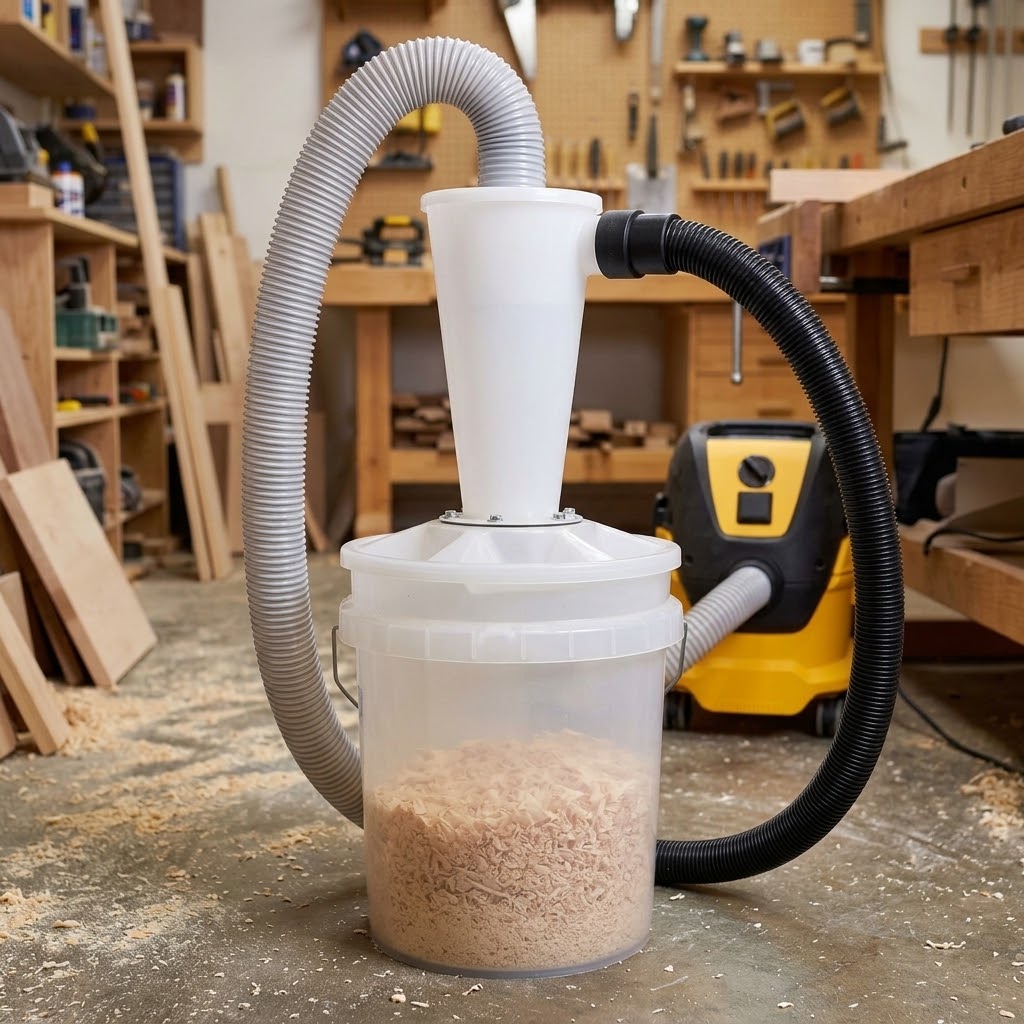
Best for: DIY users who want to build a custom separator setup around a compatible shop vacuum.
The Oneida Dust Deputy DIY is a cyclone attachment intended to be integrated into a dust-collection setup. Rather than necessarily buying a complete mobile unit, you can choose a suitable collection container and arrange the system to fit your workshop.
Potential advantages
- Offers flexibility for a custom setup.
- Can be integrated with a suitable collection container.
- May suit users who already have a container and want to assemble their own system.
Things to check before buying
- Confirm the exact model and port dimensions.
- Check whether the version you choose includes hoses, adapters, or only the cyclone and mounting components.
- Make sure your chosen container is suitable for vacuum pressure.
- Allow space for secure mounting and convenient emptying.
Who should consider it?
Consider this option if you are comfortable assembling a system and want control over the container size and layout. If you prefer a ready-to-use setup with fewer parts to source, compare the total cost against a complete kit.
Check Oneida Dust Deputy DIY listings on Amazon
You can also check the manufacturer’s Dust Deputy range for model details and compatibility information.
Option 2: Rockler Dust Right Dust Separator 2.5-inch
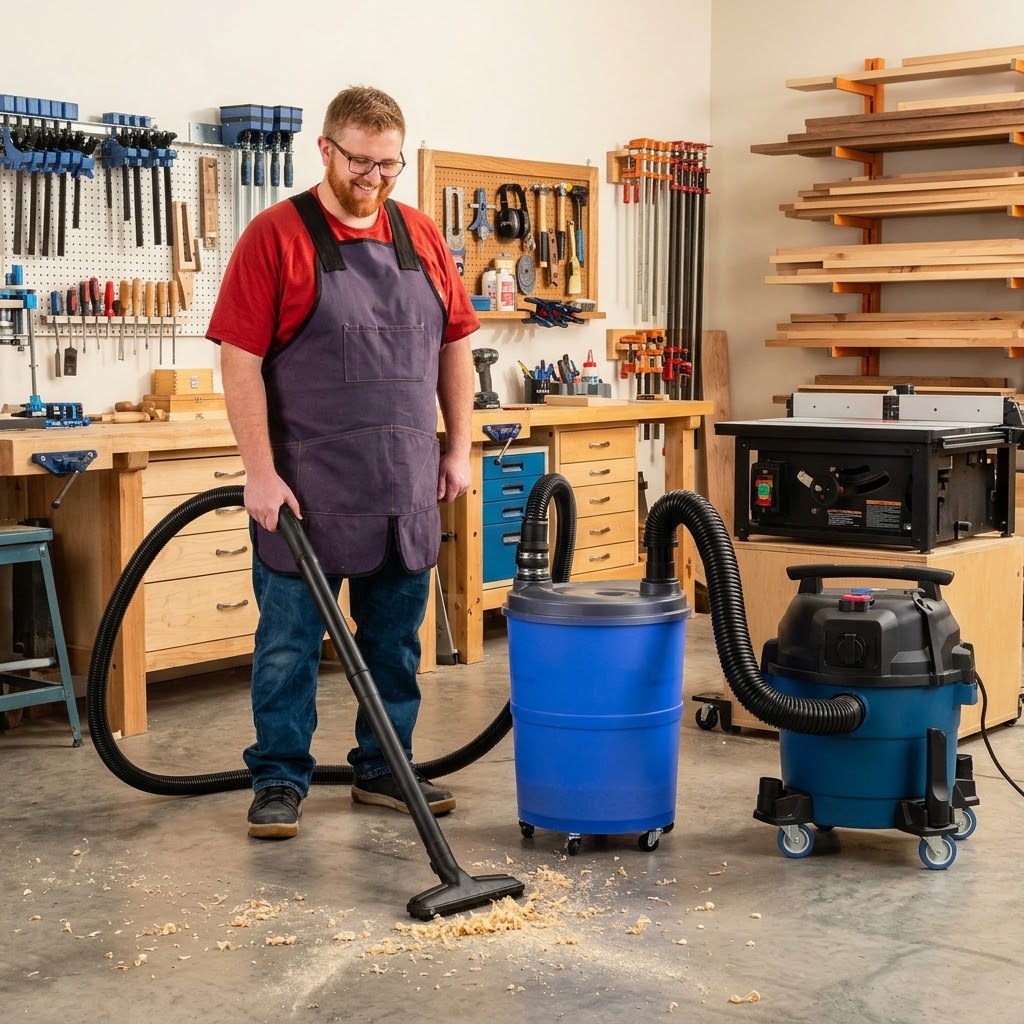
Best for: Shop-vac users who want a separator with a collection container and a more integrated setup.
The Rockler Dust Right Dust Separator is designed to separate larger debris before it reaches a compatible shop vacuum. The manufacturer’s listed version includes a 10-gallon translucent container, a wheeled base, and a connecting hose.
The container’s visibility can make it easier to monitor the debris level, while the wheeled base can help move the unit around a workshop.
Potential advantages
- Integrated collection container rather than a separate DIY container choice.
- Translucent bin makes the fill level easier to see.
- Wheeled base supports movement around the workshop.
- Included connecting hose may reduce the need to source that component separately.
Things to check before buying
- Verify the exact model and inlet requirements for your vacuum.
- Confirm which hoses or adapters are included in the current listing.
- Check the unit’s overall dimensions and whether you have enough floor space.
- Inspect seals and connections regularly to maintain performance.
Who should consider it?
This option may suit someone who wants a more integrated shop-vac separator and values collection capacity and mobility. It may be less suitable if your workshop has very limited floor space or you only need a small, inexpensive DIY setup.
Check Rockler Dust Right separator listings on Amazon
You can review the manufacturer’s specifications on the Rockler Dust Right product page.
Which of These Two Should You Choose?
| Consideration | Oneida Dust Deputy DIY | Rockler Dust Right |
|---|---|---|
| Setup style | Custom DIY assembly | More integrated separator setup |
| Container | Check the selected version; DIY containers may be required | Listed version includes a 10-gallon container |
| Main appeal | Flexibility in system design | Capacity and mobility |
| Best fit | Users comfortable assembling components | Users who prefer a more complete unit |
| Main check | Additional parts and mounting | Machine compatibility and available space |
Neither option is best for every workshop. Compare the complete cost, required fittings, and compatibility with your specific equipment before deciding.
6. Check Hoses, Seals, and Connections
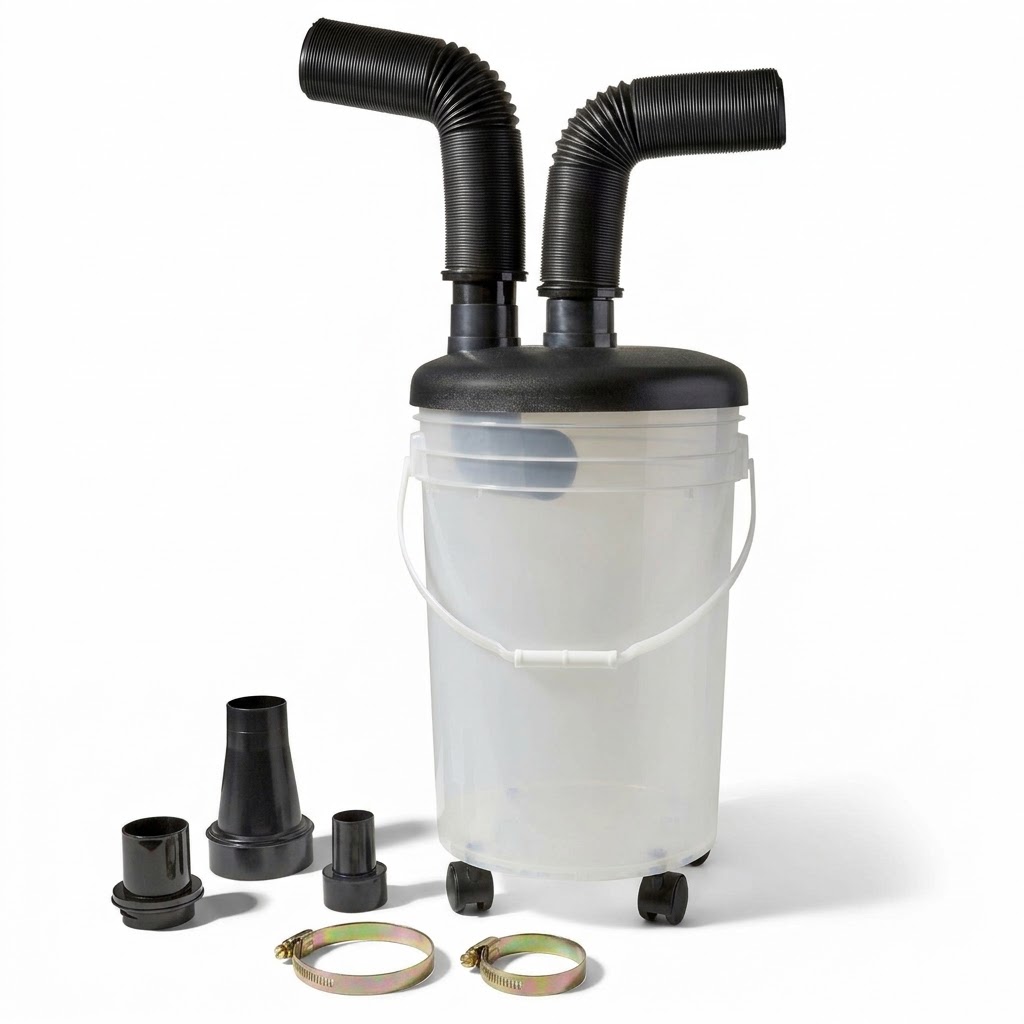
Even a suitable separator may perform poorly if its connections leak or its hoses restrict airflow.
Before buying, check:
- Hose diameter: Confirm the actual inside and outside diameters required by the connection.
- Adapters: Determine whether your existing hoses fit without an adapter.
- Seals: Look for properly fitted gaskets or sealing surfaces.
- Hose length: Use a practical route without unnecessary extra length or tight bends.
- Container connection: Make sure the lid closes securely and seals properly.
Adapters can solve a genuine compatibility problem, but adding extra fittings when they are unnecessary may increase restriction and cost.
7. Remember That Fine Dust Needs Appropriate Filtration
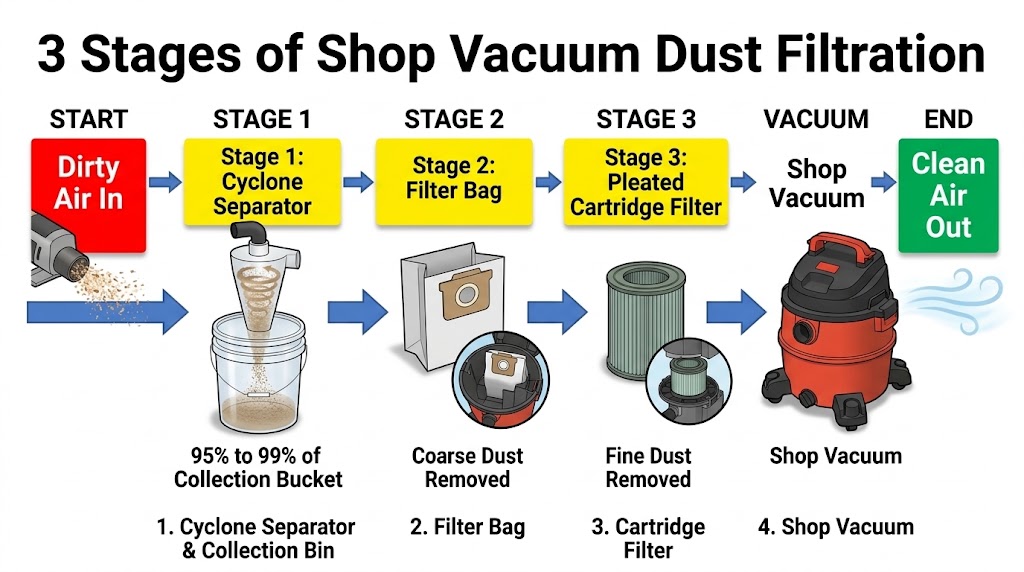
A cyclone separator is primarily a pre-separator. It removes much of the heavier debris from the airflow, but it should not be treated as a complete solution for hazardous fine dust.
Fine particles can pass through a separator and continue toward the vacuum filter or exhaust. Sanding and woodworking can produce airborne dust that is harmful to breathe.
For fine-dust tasks:
- Use effective dust collection at the tool whenever possible.
- Check the vacuum’s filtration specifications and use a suitable filter.
- Follow the tool and vacuum manufacturers’ recommendations.
- Use appropriate respiratory protection when needed.
- Avoid using compressed air or dry sweeping in ways that disperse dust into the air.
A separator can help reduce filter loading, but it does not replace appropriate filtration or safe dust-control practices.
8. Compare the Total Cost Before Buying
The purchase price is only one part of the cost. A basic cyclone may appear inexpensive but require a container, hoses, clamps, adapters, and mounting hardware.
A complete kit may cost more upfront but include several of these parts.
Before ordering, make a list of what you already own and what you still need.
For example, you may need a hose adapter if the separator and vacuum use different connection sizes. A compatible container may also be necessary for a DIY model. Avoid buying replacement hoses, extra adapters, or containers until you have checked the included components and measured your setup.
Simple rule: Compare the cost of a complete working system—not just the price of the cyclone itself.
9. Quick Buying Checklist
Before purchasing a dust separator, confirm the following:
- It is designed for your shop vacuum or dust collector.
- The inlet and outlet dimensions are compatible.
- You know which hoses, adapters, and fittings are included.
- The collection container has sufficient capacity.
- The container is suitable for the system’s vacuum pressure.
- You have enough room for the complete setup.
- The design supports convenient emptying and maintenance.
- You understand that fine dust still requires suitable filtration.
- The total cost includes any additional parts you actually need.
If you cannot confirm a key specification, consult the manufacturer before purchasing.
Frequently Asked Questions
Does a dust separator improve shop-vac performance?
A separator can reduce how much larger debris reaches the vacuum filter, which may help reduce filter clogging. However, performance depends on the separator design, hose layout, seals, and vacuum. It does not guarantee greater suction.
Do I need a complete separator kit?
Not necessarily. A DIY cyclone can be a good fit if you already have a suitable container and can assemble the system correctly. A complete kit may be more convenient if you prefer to buy several compatible components together.
Can I use a shop-vac separator with a large dust collector?
Do not assume so. Shop-vac separators and larger dust-collection cyclones are designed for different equipment and airflow requirements. Choose a separator specifically suited to your machine.
Does a cyclone separator remove all fine dust?
No. Some fine particles can continue through the separator. Use appropriate final filtration and effective dust collection, particularly when sanding or working with materials that create hazardous dust.
How often should I empty the container?
It depends on the amount and type of debris you collect. Check the container regularly and empty it before debris interferes with the separator or reaches the inlet. Follow the manufacturer’s instructions.
Check Current Dust Separator Options
Still deciding how to choose the right dust separator for your workshop? This guide will help you find the right setup for your needs? Compare products based on compatibility, container capacity, included accessories, installation requirements, and overall value.
Browse current dust separator options on Amazon
You can also publish a separate, more detailed comparison guide featuring additional models, verified specifications, and clear recommendations for different workshop setups.
Final Thoughts
The right dust separator is one that matches your equipment, handles the amount of debris you produce, and fits your workshop without unnecessary complexity.
Start by checking compatibility and airflow, then compare capacity, included components, space requirements, and total cost. The Oneida Dust Deputy DIY may appeal to people who want a customizable setup, while the Rockler Dust Right offers a more integrated option for shop-vac users.
Whichever you choose, remember that a separator helps manage debris but does not replace proper filtration and safe dust-control practices.
Take measurements, confirm the manufacturer’s specifications, and choose a system that fits your actual needs rather than paying for features you may never use.
Read more article best dust separators for small workshops
**Disclosure: This article contain affiliate links. If you purchase through qualifying links, we may earn a commission at no additional cost to you.